

 Caregiver guide
What to do after a dementia diagnosis: next steps for families
After a dementia diagnosis, take a breath, then take it one step at a time: learn about the diagnosis, ask the doctor about treatment, get legal and money papers in order while your person can still take part, look at driving and safety, and find support for yourself.
First, take a breath
Hearing the words "Alzheimer's" or "dementia" can knock the wind out of you. Some families feel shock or grief. Some feel relief at finally having an answer. Many feel all of it at once.
It's tempting to go into overdrive, researching everything, booking every test and making lists late into the night. Many caregivers say they wish they'd slowed down. A diagnosis is the start of a long road, not a race. You don't need to solve everything this week.
This guide walks you through what to do after a dementia diagnosis, in a sensible order. Take what helps and leave the rest for later.
What is the next step after being diagnosed with dementia?
These steps work for most families. You can do them over weeks or months.
Understand the diagnosis
Ask the doctor which type of dementia it is, what stage it seems to be, and what tests it was based on. Write the answers down. If anything is unclear, it's fine to ask again or ask for a second opinion. Our guide to how dementia is diagnosed explains the process.
Ask about treatment
Ask whether any medicines could help with symptoms, what side effects to watch for and whether a clinical trial might be a fit. See our guide to medications and Alzheimer's.
Get legal and money papers in order
While your person can still understand and sign, set up a durable power of attorney, a health care surrogate and an up-to-date will. More on this below.
Talk about wishes
Have gentle conversations about the kind of care your person wants later on, where they'd like to live, and end-of-life wishes. Many families tell us they wish they'd talked sooner.
Look at safety
Think about driving, cooking, medicines, money and whether your person is safe at home alone. Small changes now can prevent a crisis later.
Build your team
Line up the people who can help: family, friends, neighbors, the doctor, and local services. Call ADRC for a free Care Navigation session to make a plan.
Look after yourself
Find a caregiver support group early, before you're exhausted. Caregivers who get support tend to cope better over the long run.
How to cope with the news
There's no right way to feel after a diagnosis. Some people go quiet. Some get angry. Some deny it for a while, and that's common too.
A few things help many families:
- Give yourself time. Feelings usually soften as the news sinks in.
- Keep doing what you enjoy. Walks, music, church, gardening, time with grandkids and favorite hobbies still matter, maybe more than ever.
- Focus on what your person can still do. Many people live well for years after an early diagnosis.
- Learn about the disease. Knowing what's coming can make changes feel less frightening. ADRC's education services offer free workshops for families.
- Talk with others who understand. Other caregivers can offer comfort and tips no one else can.
If sadness or worry won't lift, for you or your person, talk with a doctor. Depression is common and treatable.
How to tell family and friends
Your person may want to decide who to tell and when. Respect that wherever you can. It's their diagnosis.
When you're ready, start with the people closest to you. Keep it simple: what the diagnosis is, what it means right now, and how they can help. Some people react well. Others may say the wrong thing, pull away or not believe it, especially if your person seems fine in short visits.
Be specific when people offer help. "Could you sit with Dad on Tuesday mornings?" works better than "Let me know if you need anything." With children and grandchildren, honest and age-appropriate answers are usually best.
Legal steps to take when a parent has dementia
The most important legal step is to act early, while your parent can still understand and sign documents. Once dementia progresses, it can be much harder, and more expensive, to put plans in place.
Talk with your parent and an elder law attorney about:
- Durable power of attorney. Names someone to handle money, bills and property.
- Health care surrogate or health care power of attorney. Names someone to make medical decisions if your parent can't.
- Living will or advance directive. Records wishes about medical treatment at the end of life.
- Will or trust. Makes sure property goes where your parent wants.
- Long-term care planning. Looks at how care may be paid for later, including Medicaid rules.
Also gather important papers in one place: insurance cards, bank and retirement accounts, deeds, tax returns and a list of passwords. This page is general information, not legal advice. Our Information & Referral service can help you find elder law attorneys in Central Florida.
If you're diagnosed with dementia, can you still drive?
Sometimes, for a while, but not forever. Dementia slowly affects judgment, reaction time and the ability to find your way. Everyone with dementia will need to stop driving at some point.
Ask the doctor whether driving is safe right now, and ask about a formal driving evaluation. Watch for warning signs like getting lost on familiar routes, new dents or scrapes, near misses, or other drivers honking more often.
Giving up the keys is one of the hardest losses. Plan ahead for other ways to get around, such as family, friends, ride services or senior transportation, so your person can stay active and connected.
How quickly does dementia progress after diagnosis?
It's different for everyone. Some people change slowly over many years. Others change faster. The type of dementia, the person's age, other health conditions and the stage at diagnosis all play a part.
Rather than focusing on a timeline, focus on what's happening now and plan for what may come next. Keep a simple notebook of changes to share with the doctor. A sudden change over hours or days is not normal progression, so call the doctor right away, since it could be an infection or another treatable problem.
As things change, new challenges may show up, like late-day confusion. Our guide to sundowning can help when it does.
If you've just been diagnosed yourself
If you're reading this because you have been diagnosed with dementia or Alzheimer's, we're glad you're here. You're still you. Many people live full, meaningful lives for years after an early diagnosis.
Use this time to tell your loved ones what matters most to you, make your legal and health care choices, and keep doing the things you love. Bring someone you trust to doctor visits to help remember what was said. Consider whether a clinical trial or the State of Florida Brain Bank fits your values. Brain Bank enrollment must be done well before death.
ADRC's support groups are for caregivers, but we can help you find programs for people living with an early diagnosis. Call us at (407) 436-7750.
Free help after a diagnosis in Central Florida
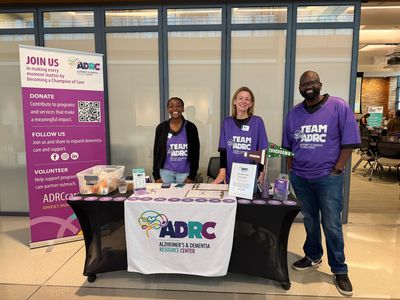
You don't have to figure out what comes next on your own. The Alzheimer's & Dementia Resource Center (ADRC) in Winter Park offers free help:
- Care Navigation, free one-on-one sessions to build a personalized care plan, in person or virtually.
- Caregiver support groups, in person and online, including Spanish-speaking, men's and adult daughters' groups.
- Information & Referral, help finding in-home care, adult day programs, elder law attorneys and doctors.
- Education services, workshops for families on understanding and coping with dementia.
For more answers about stages and types of dementia, see our Alzheimer's and dementia FAQ.
Need someone to talk to right now, day or night? Call the Alzheimer's Association 24/7 Helpline at 800-272-3900. In an emergency, call 911.
After a diagnosis: common questions
What is the life expectancy after an Alzheimer's diagnosis?
It varies a lot. Some people live many years after a diagnosis, and others decline faster. Age, overall health, the type of dementia and the stage at diagnosis all make a difference. The doctor who knows your person best can give you the most useful picture.
What speeds up dementia decline?
Things that can make symptoms worse include infections, hospital stays, delirium, falls, poorly controlled health problems like diabetes or high blood pressure, poor sleep, loneliness and some medicine side effects. Treating health problems quickly and keeping your person active and connected may help.
What questions should we ask the doctor after a diagnosis?
Ask: What type of dementia is it? What stage? What tests was it based on? Are there medicines that might help, and what are the side effects? Is it safe to drive or live alone? Are there clinical trials we could join? Who do we call with questions between visits?
Should we get a second opinion?
If you're unsure about the diagnosis, the type of dementia or the treatment plan, a second opinion from a specialist such as a neurologist, geriatrician or memory disorder clinic is reasonable. Ask for copies of test results to bring with you.
Can someone with dementia still live alone?
In the early stage, some people can, with support and regular check-ins. Watch for missed meals, unpaid bills, medicine mix-ups, getting lost or leaving the stove on. When safety becomes a concern, it's time to plan for more help. ADRC can help you explore options.
What are some tips for caring for someone with dementia?
Keep a steady daily routine. Speak slowly and simply, one idea at a time. Don't argue or correct; meet the feeling instead. Break tasks into small steps. Make the home safe. And take breaks for yourself, because your health matters too.
What is the 90 second rule for dementia?
It's an informal caregiving tip, not a medical guideline. The idea is that a wave of strong emotion often peaks and fades within about 90 seconds if nothing adds fuel to it. Pause, breathe and stay calm before you respond, then gently reassure or redirect.
What to do after an early-onset Alzheimer's diagnosis?
The same steps apply, with a few extras: talk about work, disability benefits and health insurance early, and think about how to explain the diagnosis to children. An elder law or disability attorney can help with planning.
Download the free booklet: What Happens Next?
A booklet written by people living with an early dementia diagnosis, for people who have just received one. It's a gentle read to share with your person.
Free help for dementia caregivers in Central Florida
The Alzheimer's & Dementia Resource Center (ADRC) in Winter Park, Florida, offers free help for caregivers in Orange and Seminole counties. Call (407) 436-7750, Monday to Friday, 8:30 AM to 4:30 PM.