
 State of Florida Brain Bank Program
The Florida Brain Bank & ADRC
The Alzheimer's & Dementia Resource Center (ADRC) is the Central Florida enrollment point for the State of Florida Brain Bank Program, in partnership with Mount Sinai Medical Center in Miami. To donate a loved one's brain for dementia research, call Ana Saavedra at 407-964-5234.
Brain donation after death is open to people with and without dementia. Participants receive a report confirming the diagnosis. Enrollment must be completed before death and can take six to eight weeks, so enroll early.
It's a hard thing to talk about, and many families don't know where to start. The Florida Brain Bank is a vital research initiative dedicated to advancing scientific understanding of Alzheimer's disease and other related dementias. We stay with every donor family throughout the process, from enrollment to the final report, and it gives many families the answer they've been waiting for: what kind of dementia their loved one really had.
To report the death of a registered Brain Bank participant, call 407-646-9864
- Death reporting line
- 407-646-9864
Please call as soon as possible after your loved one passes. This line is only for reporting the death of someone already registered in the Florida Brain Bank program.
How do I donate my brain for dementia research in Florida?
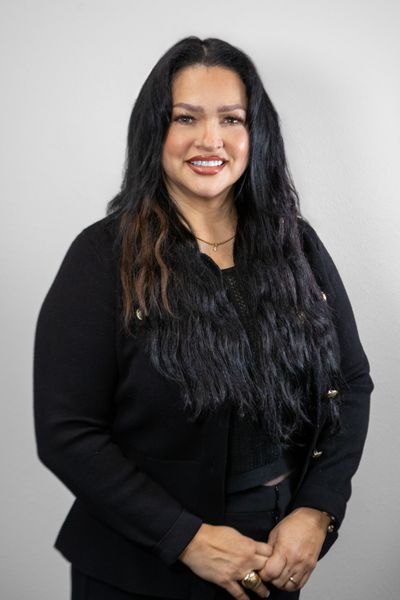
In Central Florida, you start by calling ADRC. Ana Saavedra, our Brain Bank & Volunteer Manager, enrolls people in the State of Florida Brain Bank at 407-964-5234 or ana@adrccares.org.
The donor must be living with Alzheimer's disease or another age-related dementia, live in Florida, and be registered before death. Enrollment typically takes six to eight weeks, so it's best to call while your loved one is living and the family has time to plan.
ADRC coordinates brain tissue donations and autopsy services across 22 counties throughout Central and North Florida. The full requirements and steps are below.
What is a brain bank?
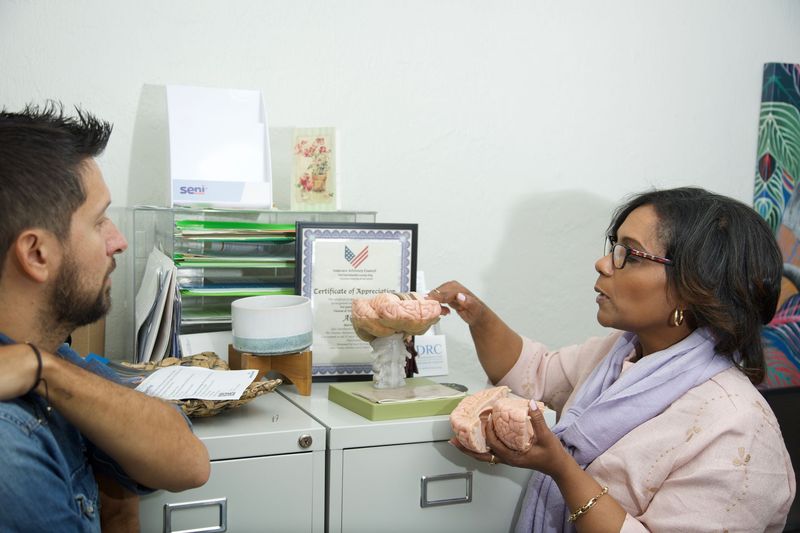
A brain bank is a research program that collects and studies donated brain tissue to learn more about diseases of the brain. The Florida Brain Bank focuses on Alzheimer's disease and other related dementias.
By coordinating brain tissue donations for critical studies, the program supports groundbreaking research that brings us closer to improved diagnosis, treatment, and ultimately a cure.
As one of the few state-supported autopsy and medical research programs in the nation, the Florida Brain Bank plays a unique and essential role in dementia research.
Every donation helps scientists uncover new insights into how these diseases develop and progress, providing hope for millions of families impacted by dementia.
ADRC's role in the Florida Brain Bank
ADRC is one of only two program entry points for the Florida Brain Bank in the entire state.
Through our partnership with Mount Sinai Medical Center in Miami, ADRC proudly serves as the major contributor to the Florida Brain Bank program.
Our dedicated team coordinates brain tissue donations and autopsy services across 22 counties throughout Central and North Florida, ensuring that every donor's legacy contributes to meaningful progress in dementia research.
ADRC has been part of the Brain Bank program since 1987. You can read more in our history.
Florida Brain Bank vs. the NIH Brain Donor Project: what's the difference?
Both help people donate their brain to research, but they work differently. If your loved one lives in Florida and has a dementia diagnosis, the State of Florida Brain Bank lets your family enroll locally, with a person you can call.
State of Florida Brain Bank (through ADRC): a state-supported program for Florida residents living with Alzheimer's disease or another age-related dementia. In Central Florida, families enroll through ADRC, get one-on-one support from our team, and receive a neuropathology report to review with their loved one's physician.
NIH Brain Donor Project (general information): a national program that helps people anywhere in the U.S. register to donate to the NIH NeuroBioBank, a federal network of brain banks. It accepts people with many kinds of brain conditions, and people with no brain disorder at all. Registration is handled nationally through braindonorproject.org.
Mayo Clinic in Jacksonville works in conjunction with the State of Florida Brain Bank Research Program. If your loved one lives in Central Florida, ADRC is your enrollment point.
Hope for the future: what the Brain Bank gives families
Many caregivers spend years wondering what was really happening to the person they love. The Florida Brain Bank program offers families something beyond science. It provides answers, hope, and healing.
Compassionate, one-on-one support
Through ADRC's close, one-on-one support with each caregiver and donor family, we ensure that the process is handled with compassion and respect.
A definitive diagnosis
After a loved one's passing, the Brain Bank conducts a comprehensive neuropathological examination, resulting in a detailed report that provides families with a definitive diagnosis of the type of dementia their loved one experienced.
A report to share with your doctor
Once complete, ADRC will send the neuropathology report to the family in order for them to review the findings with their loved one's physician.
Knowledge for your own health
If you've ever wondered whether dementia runs in your family, this knowledge can empower caregivers to make informed lifestyle and health choices that may reduce their own risk for developing dementia-related conditions.
A lasting legacy
Families often find comfort in knowing that their loved one's final gift, the donation of brain tissue, contributes to research that may help countless others in the future. In this way, each donor's legacy becomes a lasting part of the global effort to end Alzheimer's disease.
Was it really Alzheimer's? Why a brain autopsy matters
Currently, Alzheimer's disease can only be confirmed with 100% accuracy through an autopsy.
While the examination does not determine the cause of death, it provides clear diagnostic information about the specific type of dementia present. That is a crucial distinction for both closure and understanding.
Not sure how dementia was diagnosed in the first place? Our Alzheimer's and dementia FAQ explains the basics, and our education programs offer workshops and classes for caregivers.
Who is eligible to donate to the Florida Brain Bank?
All participants must be registered prior to the time of death and must reside in the state of Florida at both the time of enrollment and at the time of passing. To qualify for participation, individuals must:
Have a confirmed diagnosis of Alzheimer's disease or another age-related dementia that has been in place for at least 12 months.
Have completed a comprehensive neuropsychological evaluation, including brain imaging.
Have received the diagnosis from a neurologist, psychiatrist, or medical director of an Alzheimer's Disease Initiative (ADI)-funded memory disorder clinic.
Select a local funeral home in advance to coordinate transportation at the time of donation.
How to enroll in the Florida Brain Bank, step by step
Enrollment in the Florida Brain Bank program takes careful coordination and typically requires six to eight weeks to complete. Start early, while your loved one is living.
Call Ana Saavedra
Call 407-964-5234 or email ana@adrccares.org to learn about the program and begin registration.
Gather the medical records
Have the diagnosis, the neuropsychological evaluation and the brain imaging ready. The diagnosis must come from a neurologist, psychiatrist, or medical director of an ADI-funded memory disorder clinic.
Choose a local funeral home
Select a funeral home in advance. It will coordinate transportation at the time of donation.
Complete registration
Enrollment typically takes six to eight weeks. Your loved one must be registered before the time of death.
At the time of death, call 407-646-9864
Report the death of your registered loved one as soon as possible.
Receive the neuropathology report
ADRC sends the report to your family so you can review the findings with your loved one's physician.
Help fund Brain Bank research and family support
Every gift helps ADRC support donor families and caregivers across Central Florida.
Brain donation: common questions
How do I donate my brain for dementia research in Florida?
Enroll in the State of Florida Brain Bank before death. In Central Florida, call Ana Saavedra at ADRC at 407-964-5234. The donor must have Alzheimer's disease or another age-related dementia, live in Florida, and be registered before the time of death. Enrollment typically takes six to eight weeks.
Who do I call about brain donation in Orlando and Central Florida?
Call ADRC's Brain Bank enrollment line, 407-964-5234, or email ana@adrccares.org. To report the death of someone already registered, call 407-646-9864. The Alzheimer's & Dementia Resource Center (ADRC) serves Central Florida, and our main line is (407) 436-7750.
Can I donate my brain for research?
Yes, if you meet the program's requirements. In Florida, a person living with Alzheimer's disease or another age-related dementia can donate through the Florida Brain Bank. They must be registered before death and live in Florida at enrollment and at the time of passing. Call Ana Saavedra at 407-964-5234 to find out if your loved one qualifies.
Who can donate to the Florida Brain Bank?
People with a confirmed diagnosis of Alzheimer's disease or another age-related dementia that has been in place for at least 12 months. They must also have completed a comprehensive neuropsychological evaluation with brain imaging, have been diagnosed by a neurologist, psychiatrist, or medical director of an ADI-funded memory disorder clinic, and have a local funeral home chosen in advance.
How long does it take to enroll?
Enrollment typically takes six to eight weeks. Because registration must be complete before the time of death, we encourage families to call early.
Is brain donation done through an autopsy?
Yes. The Florida Brain Bank receives brain tissue through an autopsy after death. ADRC coordinates brain tissue donations and autopsy services across 22 counties, and the funeral home your family chooses in advance coordinates transportation at the time of donation.
How do we bring up brain donation with mom or dad?
Many caregivers say they wish they had talked about end-of-life wishes sooner, while their parent could still say what they wanted. If your loved one can take part, raise it early and simply, alongside other plans like the funeral home. Because enrollment takes six to eight weeks and must be finished before death, an early call to Ana Saavedra at 407-964-5234 gives your family time to decide together.
Can we register after our loved one has died?
No. All participants must be registered prior to the time of death.
Do we have to live in Florida?
Yes. The donor must reside in the state of Florida at both the time of enrollment and at the time of passing.
Will we finally find out if it was really Alzheimer's?
Yes. The Brain Bank's neuropathological examination gives families a definitive diagnosis of the type of dementia their loved one experienced. ADRC sends the report to the family so you can review it with your loved one's physician.
Does the report tell us the cause of death?
No. The examination does not determine the cause of death. It provides clear diagnostic information about the specific type of dementia present.
Can Alzheimer's be confirmed without an autopsy?
Not with complete certainty. Currently, Alzheimer's disease can only be confirmed with 100% accuracy through an autopsy.
Is the Florida Brain Bank the same as the NIH Brain Donor Project?
No. The State of Florida Brain Bank is a state-supported program for Florida residents living with Alzheimer's or another age-related dementia, and Central Florida families enroll through ADRC with one-on-one support. The NIH Brain Donor Project is a national program that registers donors for the NIH NeuroBioBank, including people without a brain disorder.
What about the Mayo Clinic brain bank in Jacksonville?
Mayo Clinic in Jacksonville works in conjunction with the State of Florida Brain Bank Research Program. If your loved one lives in Central Florida, start with ADRC at 407-964-5234.
Can I donate my brain if I don't have dementia?
Not through the Florida Brain Bank, which requires a confirmed dementia diagnosis. National programs such as the NIH Brain Donor Project also accept people without a brain disorder. See braindonorproject.org for details.
Where are the Florida Brain Bank entry points?
There are only two program entry points in the entire state. ADRC is one of them, coordinating brain tissue donations and autopsy services across 22 counties throughout Central and North Florida.
Who funds the Florida Brain Bank?
The State of Florida Brain Bank Research Program is funded in part by the Alzheimer's Disease Initiative (ADI) through the Florida Department of Elder Affairs, in conjunction with Mount Sinai Medical Center in Miami and Mayo Clinic in Jacksonville.
What do I do when a registered participant dies?
Call 407-646-9864 to report the death of a registered Brain Bank participant.
Who supports the program?
The State of Florida Brain Bank Research Program is funded in part by the Alzheimer's Disease Initiative (ADI) through the Florida Department of Elder Affairs, in conjunction with Mount Sinai Medical Center in Miami, FL, and Mayo Clinic in Jacksonville.
Download Center
Printable guides about brain donation and getting a diagnosis.
How to register for the Florida Brain Bank
- Ana Saavedra, MBA
- Brain Bank & Volunteer Manager
- Phone
- 407-964-5234
- ana@adrccares.org
- To report a participant's death
- 407-646-9864
- ADRC main line
- (407) 436-7750
To learn more about the program or begin the registration process, please contact Ana Saavedra, our Brain Bank & Volunteer Manager. Contact details current as of October 2026.
Alzheimer's & Dementia Resource Center (ADRC), (407) 436-7750, serving Orange and Seminole counties. Brain Bank enrollment covers 22 counties across Central and North Florida.
While you wait for enrollment, you don't have to carry this alone, even when friends and family seem to move on. Our Care Navigation and support groups are free for caregivers. Caring for a Veteran? Our Veterans resources page explains VA caregiver and dementia programs.
Ready to talk about brain donation?
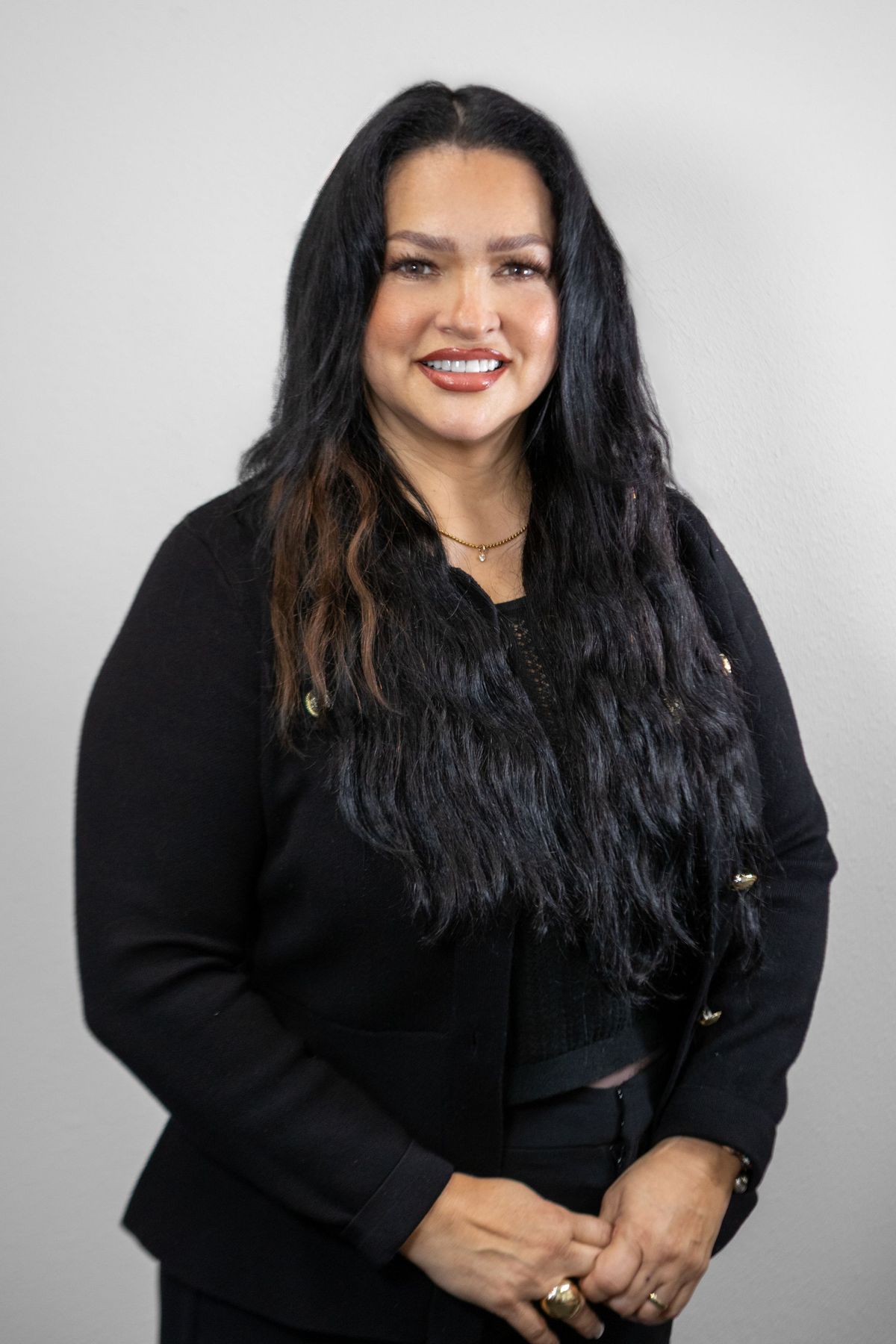
Enrollment takes six to eight weeks, so the best time to call is now. Ana will answer your questions and guide your family through each step.